Program report QB-1781 · filed November 5, 2026
AI in SalesMeasured report
Perplexity's Computer Claims 3.5x Revenue on $30,000 of Meta Ad Spend
Perplexity's Computer now links Shopify sales analysis to Meta ads and Klaviyo email, claiming 3.5x revenue and 63% higher ROAS versus an agency campaign on $30,000 in spend.
By James Calloway4 min read757 words
Program notes
- Perplexity announced e-commerce workflows for Computer on November 3, 2026, linking Shopify, Meta and Klaviyo.
- Get Maine Lobster case: $30,000 in Meta ad spend managed by Computer, with 3.5x revenue and 63% higher ROAS than an agency campaign.
- True Classic rebuilt 19 Klaviyo customer-experience flows in a few hours, per lifecycle marketing lead Sivabalan Rajasekaran.
- Perplexity's example campaign brief includes a 15% discount and a two-week Meta cap of $1,000.
- Computer is available to Pro and Max subscribers on desktop, mobile, Slack and Microsoft 365.
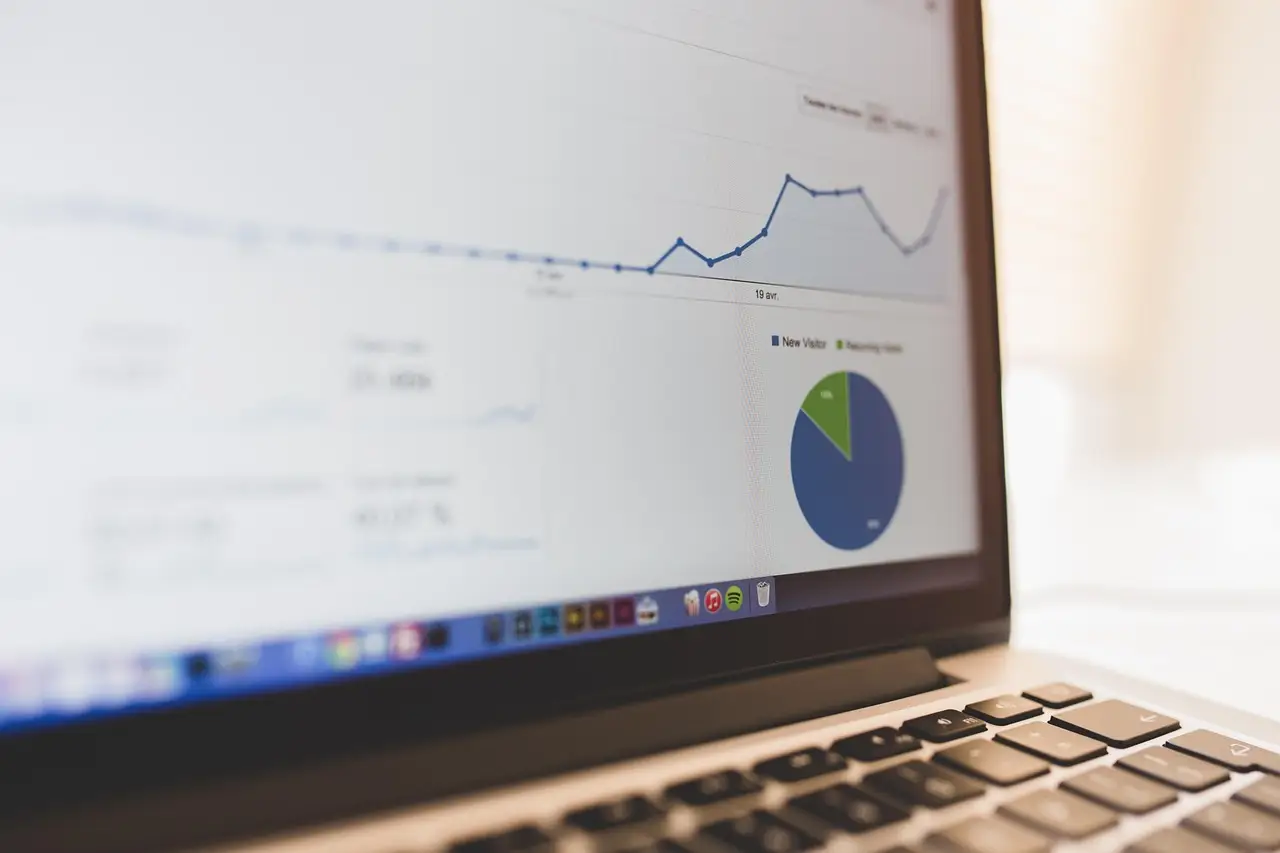
Perplexity says its Computer digital worker generated 3.5 times more revenue and a 63% higher return on ad spend than an agency-run campaign, while managing $30,000 in Meta advertising spend for the seafood brand Get Maine Lobster. The claim, published on the company's e-commerce solutions page, is the centerpiece of a set of e-commerce workflows announced on November 3, 2026, for its Computer product.
What the new workflows actually do is collapse a four-step chain — sales analysis, page creation, advertising and email — into one campaign sequence. Computer examines Shopify product-sales data to recommend items or collections, builds an on-brand Shopify landing page, then carries the same products and offers into Meta ads and Klaviyo email campaigns. The announcement itself contains no numbers on adoption, pricing or average performance across customers; the headline metrics come from a single named case study, with no stated sample size or methodology.
How much control does the merchant keep?
Every workflow starts with a campaign brief: the objective, the offer, any constraints and the brand assets Computer should use. Perplexity's own example combines a new summer collection, a 15% discount, a two-week Meta campaign capped at $1,000 and Klaviyo emails to existing customers. Budget, timing and audience instructions fit into a single task.
Businesses set campaign boundaries and can require human review before Computer publishes pages, sends emails or spends on ad budgets. Teams decide which of those three actions — publication, email delivery, ad expenditure — need approval. Execution and review sit in the same workflow: Computer prepares campaigns and acts inside connected accounts, while the merchant inspects materials before launch. What Perplexity does not say is how those gates perform in practice, or what happens when an approved campaign drifts mid-flight.
From sales signal to ad spend
For product selection, Computer analyzes Shopify sales data — Perplexity's example specifies the preceding 30 days — and recommends products or collections to promote. It builds the landing page for selected items, a collection or a launch, and staff can make final edits in the standard Shopify editor before anything goes live.
For Meta, Computer combines the page's products and offers with competitor research and existing ad performance. It creates static ads and variations of successful videos, sets up the campaign, uploads ads with consistent naming and connects each ad to its corresponding Shopify page. That link, according to the company, preserves the offer from advertisement through to storefront.
On the email side, Computer uses available customer data to build or select a Klaviyo audience, writes and designs the message, inserts product information and the Shopify destination, then schedules or sends after any required review. Brands can also save design guidelines and brand voice as reusable "skills" applied across outputs, with Computer coordinating AI models for sales analysis, image and video creation, and report preparation.
What do the customer cases show?
The Get Maine Lobster case describes a daily operating cycle: Computer scanned competitor ads, reviewed ad performance and Shopify activity for product and content gaps, selected the day's creative, produced static ads and video variations, uploaded ads with tailored landing pages, and adjusted budgets daily against the brand's efficiency targets. Perplexity presents this as a comparison against an agency-run campaign, but the company discloses no baseline figures for that comparison — the 3.5x and 63% numbers are relative, not absolute.
The second case is a pace claim rather than a performance claim. True Classic lifecycle marketing lead Sivabalan Rajasekaran said Computer rebuilt 19 customer-experience flows in Klaviyo in a few hours — work that he said would otherwise have taken weeks and thousands of dollars in agency costs. Rajasekaran's figure for the avoided cost is an estimate, not an invoice.
Who can use it, and what comes next
The general Computer product accepts natural-language tasks, deploys subagents and works in the background; it is available to Pro and Max subscribers on desktop, mobile, Slack and Microsoft 365. The connector catalog extends beyond the launch trio — Shopify, Meta and Klaviyo — to WooCommerce, BigCommerce, Wix, Squarespace, Google Ads, TikTok and Mailchimp. Perplexity recommends starting with a focused task, such as analyzing Shopify sales and preparing a campaign for review, before connecting accounts.
The operational bet is the handoff: a Shopify sales signal becomes a page, an ad and an email without rebuilding the campaign at each step. Whether the Get Maine Lobster results generalize beyond a single disclosed case is the question merchants should bring to the trial.
via Google News: AI in sales (Source)
More from James Calloway
Show full bio
Senior reporter covering technology and product news in Sales technique and methodology, sales enablement at Quota Brief.
124 articles