Program report · filed November 19, 2026
B2B SellingMeasured report
Falfurrias Buys B2B Creator Firm Freeman & Forrest
Falfurrias Capital has taken a majority stake in Freeman & Forrest, the B2B influencer firm behind a 1,600-creator network serving a third of Fortune 100 tech companies, with revenue near $50 million.
By Rebecca Stone4 min read706 words
Program notes
- Falfurrias Capital made a majority investment in Freeman & Forrest; the price was not disclosed
- Freeman & Forrest, founded in 2024, works with one-third of Fortune 100 tech companies via 1,600+ technical influencers; estimated revenue ~$50M
- PE accounts for ~8% of creator economy deals in 2026, up from ~5% historically, per Quartermast
- US creator ad spend is set to hit $44 billion this year, per the IAB; Forrester predicts 75% of enterprise B2B firms will raise influencer budgets in 2026
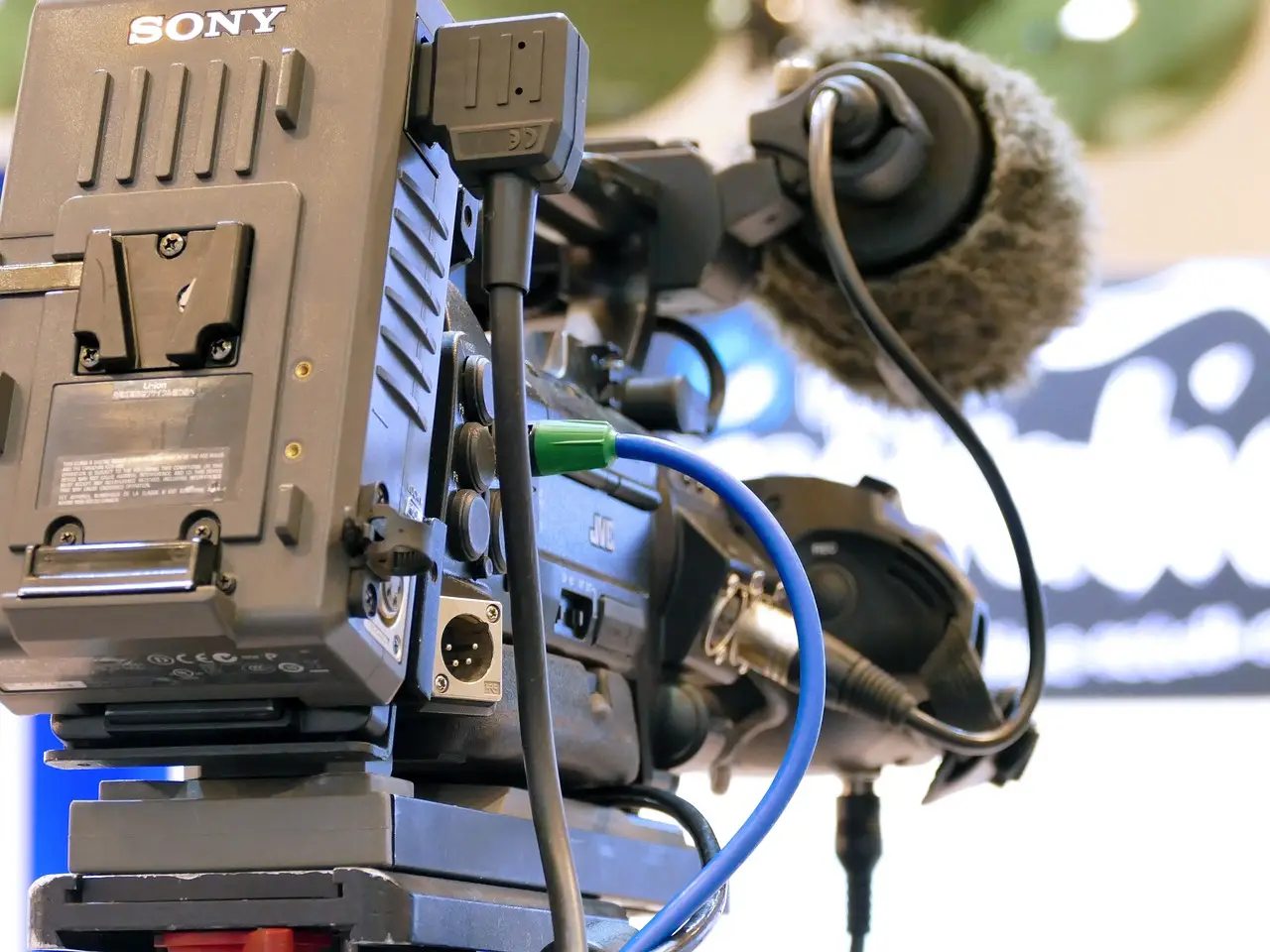
Falfurrias Capital Partners has made a majority investment in Freeman & Forrest, a B2B influencer marketing firm whose estimated annual revenue sits at roughly $50 million, according to a person familiar with the company. The deal price was not disclosed. Business Insider exclusively learned of the transaction.
Freeman & Forrest, founded in 2024 by Emily Freeman and Forrest Brazeal, says it works with one-third of the tech companies in the Fortune 100 across a network of more than 1,600 technical influencers. Its clients have included Amazon and Google. Freeman stays on as CEO and Brazeal as president; both remain on the board.
The new board adds two names from outside the firm. Alex Jutkowitz, a Falfurrias advisor and advertising industry veteran, joins as executive chair. Linda Boff, former global CMO of GE, also takes a board seat.
The capital is earmarked for expansion. The 30-person firm plans to serve more Big Tech companies, AI and cloud startups, and new B2B categories including the medical and defense sectors. Freeman said the firm has doubled revenue every year, and the capital will let it hire specialized account managers and developers to build out its campaign platform.
Why is private equity moving into creator marketing?
PE firms have played a small but growing role in funding creator economy companies. Quartermast, an advisory firm, estimates that private equity sits directly or indirectly behind about 5% of all creator economy deals historically, rising to about 8% of deals so far in 2026.
The Freeman & Forrest deal follows two other recent moves. This month, H.I.G. Capital invested in Jake Rosen Entertainment, a talent firm, with plans for more deals. Earlier, Eldridge Industries invested in Fixated, a digital talent and content studio.
How big is the B2B opportunity?
The numbers point one direction. US creator ad spend has grown four times as fast as media overall and is set to hit $44 billion this year, the Interactive Advertising Bureau estimated. Forrester predicted that 75% of enterprise B2B companies would increase their influencer budgets in 2026 as trusted subject-matter experts gain weight in buying decisions.
Chris Erwin, founder of RockWater, an M&A advisor for the creator economy, said the AI boom has fueled B2B creator marketing, as firms increasingly use creator channels to reach decision-makers. He reports a growing number of conversations with firms representing tech and knowledge creators who speak to enterprise buyers and small to medium-sized businesses.
Erwin laid out what attracts investors to B2B: agencies hold specialized skills, marketer budgets are large and often renewed, and credible technical creators are scarce.
"The trade-off is a smaller market, and specialist agencies are often built around founders who are the brand," he said. "Buyers will pay for the expertise, but want to see the business scale beyond the founders."
What makes B2B influencer work different?
Freeman and Brazeal started the firm after running influencer programs at companies including Microsoft and Google Cloud, and finding that influencer marketing firms were built for consumer brands, not B2B ones.
Freeman said consumer campaigns lean on personality and often show immediate impact on purchases. B2B creator marketing puts more emphasis on expertise, and the sales cycle runs long.
"Because the end user has a suspicion of anything that feels like a sales or marketing gimmick, you have to approach it as educational, making sure that the end user feels value from that content," Freeman said.
Risk tolerance differs too. B2B brands focus on whether a creator follows FTC disclosure guidelines, avoids using AI in ways that misrepresent the brand, and carries the right persona.
"We love influencers who are jalapeño-spicy, because it's interesting, but we don't want ghost-pepper-hot," Freeman said. "The definition of personality is a little different here."
Freeman sees the runway extending well past tech: an AI startup building awareness, an enterprise rebranding, or a company pushing expensive technology into end-users' hands. "We're seeing demand grow at the same time that you're seeing these influencers start to really recognize that their industry expertise is what makes them a great influencer," she said.
Whether the firm can scale beyond its founders is now the question Falfurrias has paid to answer.
via feeds.businessinsider.com (Source)
More from Rebecca Stone
Show full bio
Market editor covering people, launches and day-to-day practice in Sales technique and methodology, sales enablement at Quota Brief.
139 articles
Also rated
- SaaStr's Lemkin: Hire 1-2 Ex-Founders in 2027 to Carry the Load
- Gong Data: AI Mentions in Deals Up 85%, Hiring Talk Flat
- Anthropic Sends 47% of Sales Through Amazon and Google
- AI B2B Sales Teams Run at Half the Headcount — Two Playbooks Now Dominate
- Equity Angels Bets Six Weeks on Go-to-Market for Four Proptech Startups