Program report QB-9445 · filed October 12, 2026
B2B SellingMeasured report
Amazon Launches B2B Supply Chain Service
Amazon has launched a B2B supply chain service, Digital Commerce 360 reports. Pricing, availability and adoption data remain undisclosed, leaving the offering's terms unquantified.
By Daniel Okafor1 min read296 words
Program notes
- Amazon has launched a supply chain service for B2B customers
- Digital Commerce 360 reported the launch
- No pricing, availability dates or customer counts were disclosed
- Service-level commitments and reference customers remain unannounced
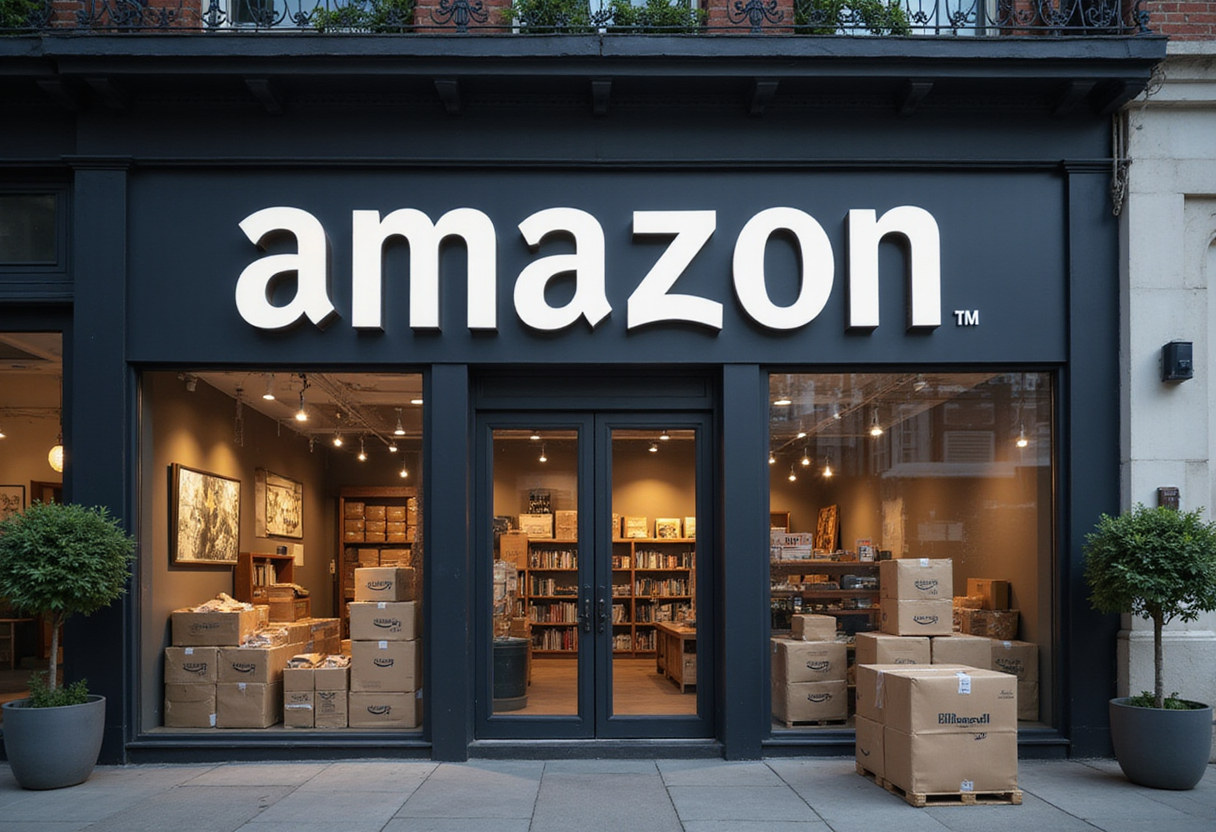
Amazon has launched a supply chain service aimed at business-to-business customers, Digital Commerce 360 reports. The move takes the company's fulfillment infrastructure — built for consumer delivery — and points it at wholesale, distribution and bulk ordering workflows.
The company disclosed no pricing, availability dates or customer counts in the initial announcement. That absence matters: B2B supply chain contracts typically hinge on pallet-level handling, credit terms and integration with procurement systems, none of which Amazon has yet quantified publicly.
What does the service actually cover?
Digital Commerce 360's report confirms the launch itself but, at time of publication, carries no benchmark figures — no fulfillment-speed data, no merchant adoption numbers, no pricing tiers. Everything beyond the existence of the service remains vendor assertion rather than measurement.
For sales and operations teams evaluating the offering, that leaves three open questions:
- Which order sizes and SKU classes the service handles (case-pack versus full-pallet)
- Whether it integrates with existing ERP and procurement platforms
- How pricing compares to incumbent third-party logistics providers
Why B2B supply chain is the logical next step
Amazon has spent years converting its consumer logistics network into a rentable asset for third-party sellers. Extending that same infrastructure to business buyers follows the same playbook: monetize capacity that already exists rather than build new demand.
Competitors in B2B distribution — from legacy wholesalers to specialized logistics firms — now face a player with scale advantages in warehousing and delivery that few can match. The measurable impact on their win rates and cycle times will depend on what Amazon publishes next: rates, service-level commitments and reference customers.
Watch for follow-up announcements with concrete adoption figures and pricing, which will determine whether this is a full distribution play or a limited pilot.
via Google News: B2B sales (Source)
More from Daniel Okafor
Show full bio
Correspondent covering regulation, policy and their impact on Sales technique and methodology, sales enablement at Quota Brief.
70 articles