Program report QB-2090 · filed October 12, 2026
AI in SalesMeasured report
AI Agents Are Now the Shoppers: Brands Rewrite Their Sales Pitch
The Seattle Times reports brands are rewriting product copy and ad creative for AI agent buyers rather than human ones. Sales briefs, feeds, and compensation metrics are shifting accordingly.
By Daniel Okafor3 min read601 words
Program notes
- The Seattle Times headline states brands are actively changing their sales pitch as AI agents begin shopping.
- OpenAI enabled in-chat ChatGPT purchases in the U.S. on September 29, 2025, through Stripe, Etsy, and Shopify partnerships.
- Walmart Sparky, Google AI Mode, and Amazon Rufus all expanded agentic shopping features through late 2025.
- Brands are leading product copy with machine-readable specs: dimensions, weight, materials, voltage, compatibility.
- Marketing operations teams, not copywriters, increasingly own the agent-readability gating step in B2C sales briefs.
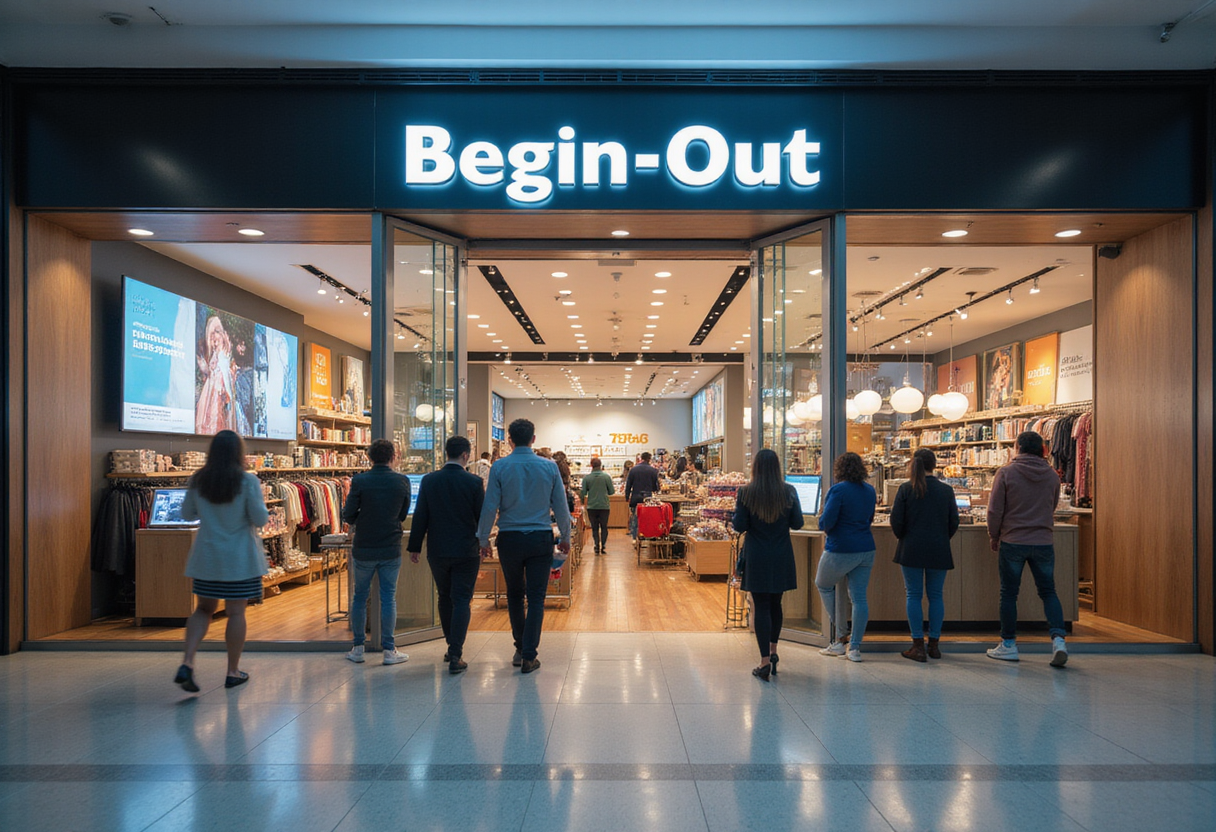
On September 29, 2025, OpenAI enabled in-chat purchases through ChatGPT for U.S. consumers. Within weeks, brands were rebuilding their sales copy for a buyer that does not have eyes. The Seattle Times reports the rewrite is now in full swing.
The paper's headline — "As AI agents begin shopping, brands are changing their sales pitch" — captures the inflection in a single sentence.
What does "begin" tell us about timing?
The verb signals an early, active shift. "Changing their sales pitch" implies an ongoing migration rather than a finished overhaul. For any sales leader, that puts the question on this quarter's roadmap rather than next year's review.
What changes when the shopper is a model?
Three things, according to the pattern consumer brands describe.
Structure, then specs, then proof. Schema markup, JSON-LD product feeds, GTINs, and machine-readable spec sheets become the actual sales pitch. Models cannot be persuaded by lifestyle photography; they read fields. A SKU without a manufacturer part number is invisible to an agent.
Descriptions that used to open with brand narrative now open with the facts an agent compares: dimensions, weight, materials, voltage, compatibility, country of origin.
Reviews surface as structured fields — rating, count, verified-buyer flag — before any prose summary.
Why did this accelerate in late 2025?
The shift tracked a cluster of agentic-commerce launches through late 2025.
ChatGPT processed its first in-chat purchases in September through partnerships with Stripe, Etsy, and Shopify. Google expanded AI Mode in search results. Walmart deployed Sparky across its main app. Amazon's Rufus handled a growing share of pre-purchase queries.
Each release moved the consumer one step further from the brand's website — and one step closer to an intermediary that reads rather than browses.
What does a bot-friendly sales pitch look like?
The brands furthest along describe four practical shifts in their copy:
- Product descriptions open with dimensions, weight, materials, voltage, and compatibility.
- Pricing appears in plain numerals with currency code and tax-inclusive status.
- Reviews surface as structured fields before any prose summary.
- FAQs answer the model's likely follow-up questions in schema-tagged blocks.
Which tools are driving the migration?
Four categories of vendors now sit between the catalog and the agent.
Feed-management platforms like Feedonomics, DataFeedWatch, and GoDataFeed auto-generate agent-readable schemas from existing product data. Marketplace connectors from Shopify and BigCommerce ship pre-built feeds tuned for agent consumption. Agent-side analytics tools such as Profound, Peec AI, and Otterly show brands which queries their products surface in.
The tooling means the rewrite is not a copywriter's project — it is a marketing-ops deployment owned by the team that already runs the data layer.
What does this mean for sales teams?
For a B2C sales organization, the consequence is structural. The buyer of record is now a language model acting on a consumer's behalf. Brief templates that used to gate creative on brand fit now gate it on whether a product feed can pass an agent's parser. Marketing operations — not copywriters — increasingly own that step.
Compensation plans that rewarded traffic-based conversion need new metrics: agent citations, feed health scores, and the share of orders where the agent's first-choice product matched the merchant.
What comes next?
The next threshold is agent-initiated negotiation. Comparison tools today return ranked lists. Tools in 2026 will request quotes, apply loyalty terms, and bundle complementary SKUs in real time. The brands that ship agent-readable catalogs this quarter will be the ones whose pricing logic the agents learn to invoke by default.
via Google News: AI in sales (Source)
More from Daniel Okafor
Show full bio
Correspondent covering regulation, policy and their impact on Sales technique and methodology, sales enablement at Quota Brief.
70 articles
Also rated
- US Brands Rewrite Sales Pitches as AI Agents Start Shopping
- OpenAI Returns to Field Marketing to Sell ChatGPT to Businesses
- Lucid Switches On 'Concierge' AI Agent Before Quarter Close
- AI Agents Are Now the Shoppers, and Brands Are Rewriting the Pitch
- By 2030, Every B2B Deal Could Close Without a Rep: What Sellers Need to Do Now